미친 사람들
미친 사람들
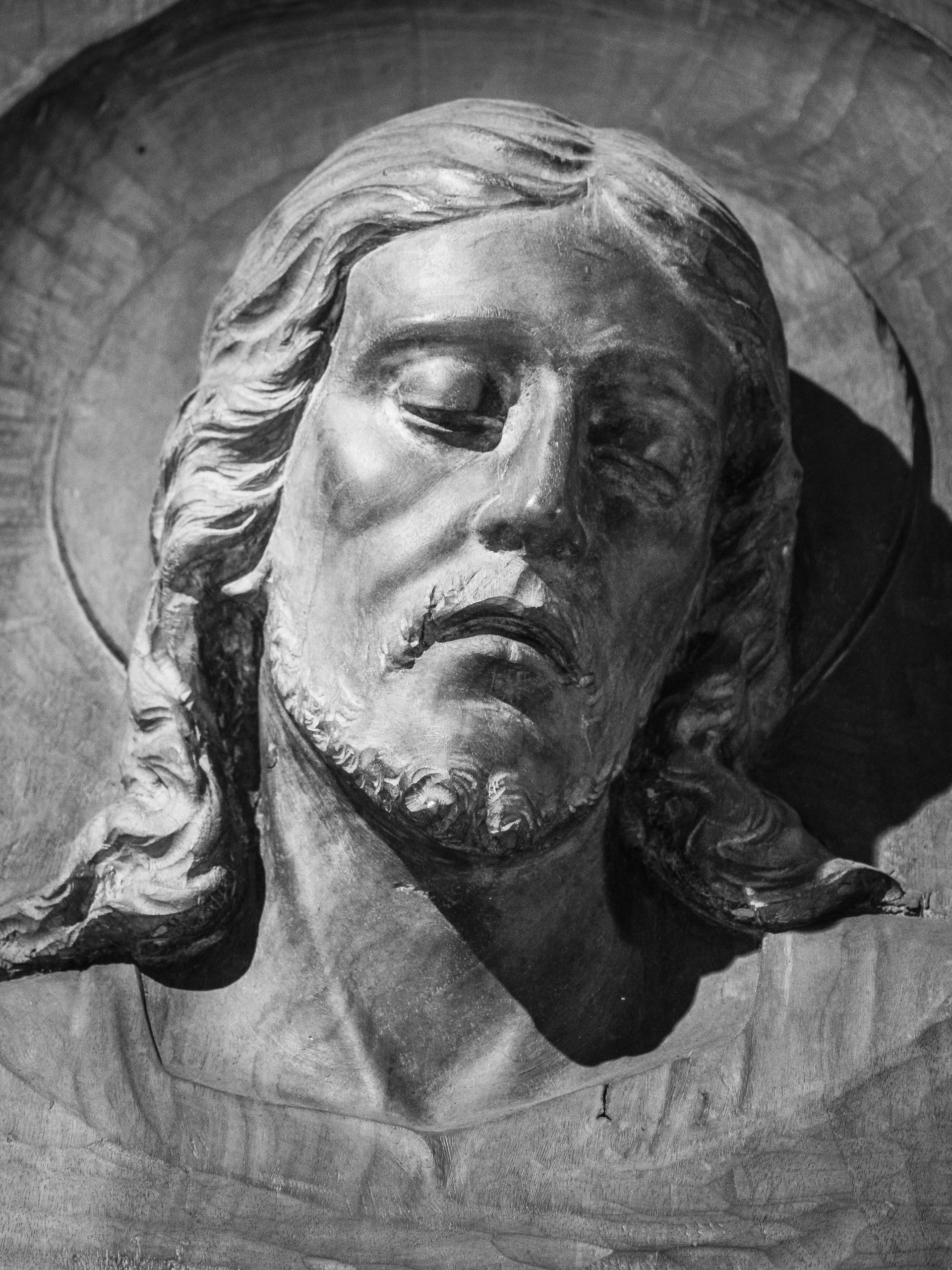
예수 그리스도께서 하나님의 본체로서 사람의 몸을 입고 이 땅에 오셨을 때, 그의 말과 행동은 당시 사람들의 눈에 쉽게 이해되지 않았다. 사람들은 그를 ‘미쳤다’고 했고, 가족들조차 붙들러 나왔다(막 3:21).
예수님을 본받은 사도 바울도 마찬가지였다. 아그립바 왕 앞에서 담대히 복음을 전하자, 총독 베스도는 “네 많은 학문이 너를 미치게 한다”(행 26:24)며 조롱했다. 하나님의 말씀에 붙들린 자는 세상의 기준으로 보면 언제나 낯설고 과격하게 보인다.
베드로가 옥에 갇혔을 때 교회는 밤새워 기도했다. 천사의 인도로 풀려난 그는 마가의 집으로 향했고, 그의 목소리를 들은 소녀 로데는 기뻐했지만, 사람들은 “네가 미쳤다”(행 12:15)며 믿지 않았다. 믿음의 반응조차 현실감 없는 것으로 여겨졌다.
‘미쳤다’는 말은 단순한 비난만을 뜻하지 않는다. 때로는 사람의 능력, 지혜, 언행심사가 일반적인 기준을 넘는 경지에 도달했을 때 사용하는 말이기도 하다. 이런 긍정적인 의미에서의 ‘미친 자’는 평범함을 넘어 특별한 삶을 사는 사람이다. 그들은 하나님의 뜻에 온전히 붙들린 사람이다.
반대로, 부정적인 의미의 ‘미친 자’는 정신질환자, 즉 사이코(psycho)나 크레이지(crazy)와 같은 이들을 가리키는 말이다. 이들은 병리적으로 인식되어 사회적으로 경계의 대상이 된다.
광은기도원에 세워진 성막에는 출애굽기 26장 31절에 따라 청색, 자색, 홍색 실과 가늘게 꼰 베실로 짠 휘장이 걸려 있었다. 그 위에는 그룹들이 정교하게 수놓아져 있었고, 이는 광은교회 여자 성도들이 수년간 기도하며 손으로 만든 것이다. ‘미친’ 듯한 헌신과 열정이 휘장 하나하나에 담겨 있었다.
예수님께서 십자가에 달리셨을 때, 성소와 지성소를 나누던 휘장이 위에서 아래로 찢어졌다. 그 휘장은 곧 찢기신 예수님의 몸이다. 대제사장만 들어갈 수 있었던 지성소의 장벽이 무너지고, 모든 신자가 하나님께 나아갈 수 있는 길이 열렸다.
오늘날에도 ‘미쳤다’라는 말을 듣는 자들이 교회와 세상을 살리고 있다. 하나님의 능력은 이성과 과학으로 설명할 수 없는 영역에 있다. 그 능력을 체험한 자들을 향해 세상의 기준으로 판단해서는 안 된다.
故 김활란 박사는 철야기도 중 조선 여인들의 통곡을 듣고 “한국 여성 지도자를 위해 살라” 는 부르심에 순종해 이화여대 초대 총장이 되었다. 그런 이들을 ‘미쳤다’라고 말할 수 있을까?
예수님도 “미쳤다” 라는 말을 들으셨다. 그렇다면 우리가 그런 말을 듣는 것도 하나님 앞에서는 오히려 칭찬 아닐까?
People the World Calls Crazy
When Jesus Christ came to this earth in human flesh as the very nature of God, His words and actions were not easily understood by the people of His time. People said, “He is out of His mind,” and even His own family went out to restrain Him (Mark 3:21).
The apostle Paul, who followed in the footsteps of Jesus, experienced the same reaction. When he boldly proclaimed the gospel before King Agrippa, the governor Festus mocked him, saying, “Your great learning is driving you insane” (Acts 26:24). Those who are seized by the Word of God always appear strange, excessive, or extreme by the standards of the world.
When Peter was imprisoned, the church prayed earnestly throughout the night. After he was miraculously released by an angel, he went to the house of Mary. A servant girl named Rhoda recognized his voice and rejoiced, but the others said to her, “You are out of your mind” (Acts 12:15). Even a response of faith was dismissed as unrealistic.
The word “crazy” does not always carry only a negative meaning. At times, it is used when a person’s ability, wisdom, or actions go beyond ordinary standards. In this positive sense, a “crazy” person is someone who lives an extraordinary life beyond the ordinary—someone who is completely gripped by the will of God.
In contrast, the negative meaning of “crazy” refers to mental illness, such as being labeled a psycho or someone clinically unstable, and such people are often treated as objects of fear or exclusion in society.
In the tabernacle built at Gwang-eun Prayer Center, a curtain was hung according to Exodus 26:31, woven with blue, purple, and scarlet yarn and finely twisted linen, with cherubim skillfully embroidered on it. This curtain was made by the women of Gwang-eun Church, who worked on it by hand over several years with prayer. Their “crazy” devotion and passion were stitched into every part of the veil.
When Jesus was crucified, the curtain that separated the Holy Place from the Most Holy Place was torn from top to bottom. That curtain symbolized the torn body of Jesus Himself. The barrier that only the high priest could pass through was destroyed, and the way was opened for all believers to come freely before God.
Even today, those who are called “crazy” are the ones who save the church and the world. The power of God exists in a realm that cannot be fully explained by reason or science. Those who have experienced that power should not be judged by worldly standards.
The late Dr. Kim Hwal-lan heard the cries of Korean women during an all-night prayer meeting and obeyed God’s calling to “live for the raising of women leaders in Korea,” eventually becoming the first president of Ewha Womans University. Can such a person truly be called “crazy”?
Jesus Himself was called “out of His mind.” Then could it be that hearing such words is not shameful before God, but rather a compliment?