독수리 같이
독수리 같이
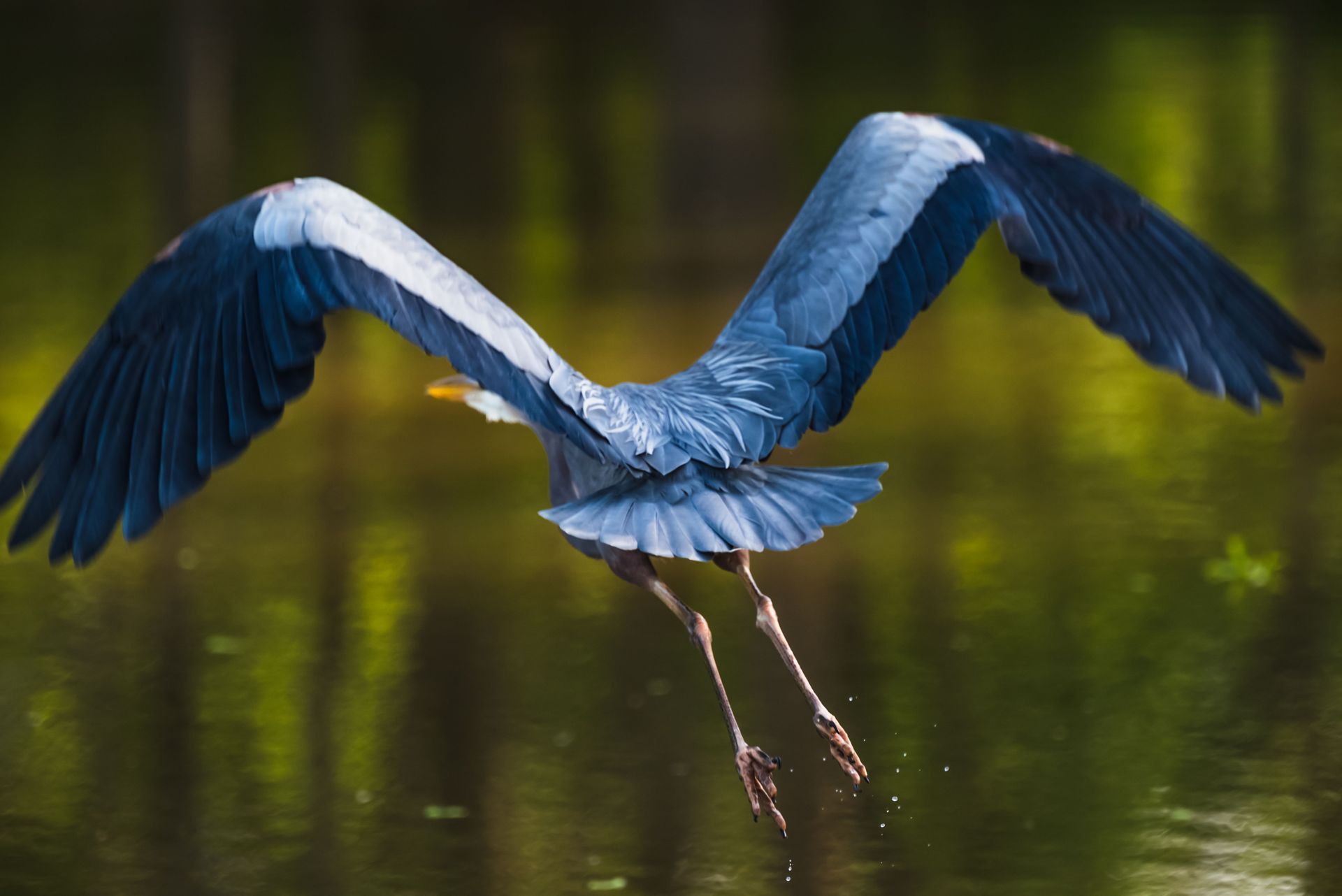
세계적으로 새의 종류는 만여 가지가 넘고, 우리나라에만 해도 육백여 종이 있다고 한다. 그런데 하나님께서는 수많은 새 가운데 특별히 독수리를 들어 믿음의 사람을 설명하신다. “여호와를 앙망하는 자는 새 힘을 얻으리니 독수리가 날개 치며 올라감 같을 것이요”(사 40:31).
‘앙망(仰望)’이라는 말의 히브리어는 ‘카와(קָוָה)’이다. 단순히 바라본다는 의미를 넘어, “간절히 기다리다”, “끈으로 묶여 연결되다”라는 뜻을 담고 있다. 즉 여호와를 앙망한다는 것은 하나님과 단단히 연결되어 그분만 의지하는 상태를 말한다.
인생은 흔들릴 수 있다. 환경도 변하고 사람도 변한다. 그러나 하나님은 변하지 않으신다. 전지전능하시고 영원하신 하나님께 연결된 사람은 결국 새 힘을 얻게 된다.
독수리의 두 날개는 믿음의 삶을 떠올리게 한다. 한쪽 날개는 말씀이고 다른 한쪽은 기도이다. 또 한편으로는 믿음과 행함이라 할 수 있다. 아무리 큰 날개라도 한쪽만으로는 날 수 없다. 말씀만 듣고 순종하지 않거나, 기도만 하고 삶의 변화가 없다면 높이 날아오를 수 없다. 말씀에 붙들리고 기도로 하나님과 연결될 때 비로소 영혼은 하늘 높이 비상한다.
높은 곳에 올라가면 세상이 작게 보인다. 하나님 편에서 보면 인간이 크게 여기던 문제들이 매우 작게 보인다(요한1서 4:4). 갈렙은 여든다섯의 노인이었지만 여호와를 앙망함으로 아낙 자손들과 싸워 이기고 그 땅을 차지하였다(수 14:10~14). 다윗 역시 어린 소년이었으나 골리앗 앞에서 물러서지 않고 싸워 승리했다(삼상 17:45~49). 그들에게 중요한 것은 자신의 조건이 아니라 하나님이 누구신가 하는 믿음이었다.
독수리의 특징 가운데 또 하나는 뛰어난 시력이다. 높은 상공에서도 땅 위의 작은 움직임을 정확히 본다. 믿음의 사람에게도 이런 영적인 눈이 필요하다.
예수님 당시 유대인들은 사마리아 사람들을 멸시했다. 그러나 예수님의 눈에는 그들이 추수해야 할 익은 곡식으로 보였다(요 4:35). 주님의 시선은 정죄의 눈이 아니라 사랑과 구원의 눈이었다. 우리 역시 그런 눈을 가져야 한다. 어떤 죄인이라도 포기할 대상이 아니라 복음을 전해야 할 영혼으로 바라보아야 한다.
예수님께서는 진리를 쉽게 깨닫게 하시기 위해 비유로 말씀하셨다(마 13:34). 독수리의 비유 역시 마찬가지다.
오늘도 우리는 독수리처럼 날아올라야 한다. 말씀에 의지하여 기도하고, 말씀대로 순종하는 습관을 가져야 한다. 세상의 낮은 시선이 아니라 하나님의 높은 시선으로 사람과 현실을 바라보아야 한다. 여호와를 앙망하는 자에게 하나님은 반드시 새 힘을 주신다.
Like an Eagle
There are more than ten thousand species of birds in the world, and even in Korea alone there are said to be over six hundred species. Yet among countless birds, God especially uses the eagle to describe people of faith
“But those who hope in the Lord will renew their strength. They will soar on wings like eagles…” (Isaiah 40:31)
The Hebrew word for “hope” or “wait upon” is qavah (קָוָה). It means more than simply looking toward something. It carries the meaning of “earnestly waiting” and “being bound together with a cord.” To hope in the Lord, therefore, means to be firmly connected to God and to depend on Him alone.
Life can be shaken. Circumstances change, and people change. But God never changes. Those who are connected to the all-knowing, all-powerful, eternal God will ultimately gain new strength.
An eagle’s two wings remind us of the life of faith. One wing is the Word of God, and the other is prayer. In another sense, they can represent faith and action. No matter how large the wings are, a bird cannot fly with only one wing. If we only hear the Word without obeying it, or if we only pray without a transformed life, we cannot soar high. Only when we are grounded in the Word and connected to God through prayer can our souls rise high into the heavens.
When you rise to a high place, the world looks small. From God’s perspective, the problems people consider enormous become very small (1 John 4:4). Caleb was eighty-five years old, yet because he hoped in the Lord, he fought and defeated the descendants of Anak and possessed the land (Joshua 14:10–14). David also was only a young boy, yet he did not retreat before Goliath but fought and won (1 Samuel 17:45–49). What mattered to them was not their own condition, but who God is.
Another characteristic of the eagle is its excellent eyesight. Even from high in the sky, it can accurately see the slightest movement on the ground. People of faith also need this kind of spiritual vision.
In Jesus’ time, the Jews despised the Samaritans. But in Jesus’ eyes, they looked like ripe grain ready for harvest (John 4:35). The Lord’s gaze was not one of condemnation, but of love and salvation. We too must have such eyes. No sinner should be viewed as hopeless, but rather as a soul to whom the gospel must be shared.
Jesus often spoke in parables so people could understand the truth more easily (Matthew 13:34). The example of the eagle is the same.
Today as well, we must rise like eagles. We must rely on the Word, pray, and develop the habit of obeying God’s Word. We should view people and circumstances not through the low perspective of the world, but through God’s higher perspective. To those who hope in the Lord, God will surely give new strength.