거룩한 바보들
거룩한 바보들
몇 주 전, 수백 명이 모인 교회에서 부흥회를 마친 저녁이었다. 담임목사님 내외와 나눈 짧은 대화 속에서 사모님의 한마디가 유난히 마음에 남았다. “이번 부흥회에서 ‘거룩한 바보가 되라’는 말씀이 가장 깊이 새겨졌습니다.” 지성과 영성을 겸비한 분의 입에서 나온 이 고백은 신앙의 본질을 꿰뚫는 고백처럼 들렸다.
우리는 보통 ‘바보’라는 말을 어리석고 미련한 사람, 손해를 감수하고도 자신의 이익을 따지지 못하는 사람, 세상의 기준으로 보면 뒤처진 사람을 가리키는 표현으로 사용한다. 그러나 기독교 신앙 안에서 말하는 ‘거룩한 바보’는 전혀 다른 차원의 의미를 가진다. 그것은 어리석음이 아니라, 의도적인 선택이며 사랑의 결단이다.
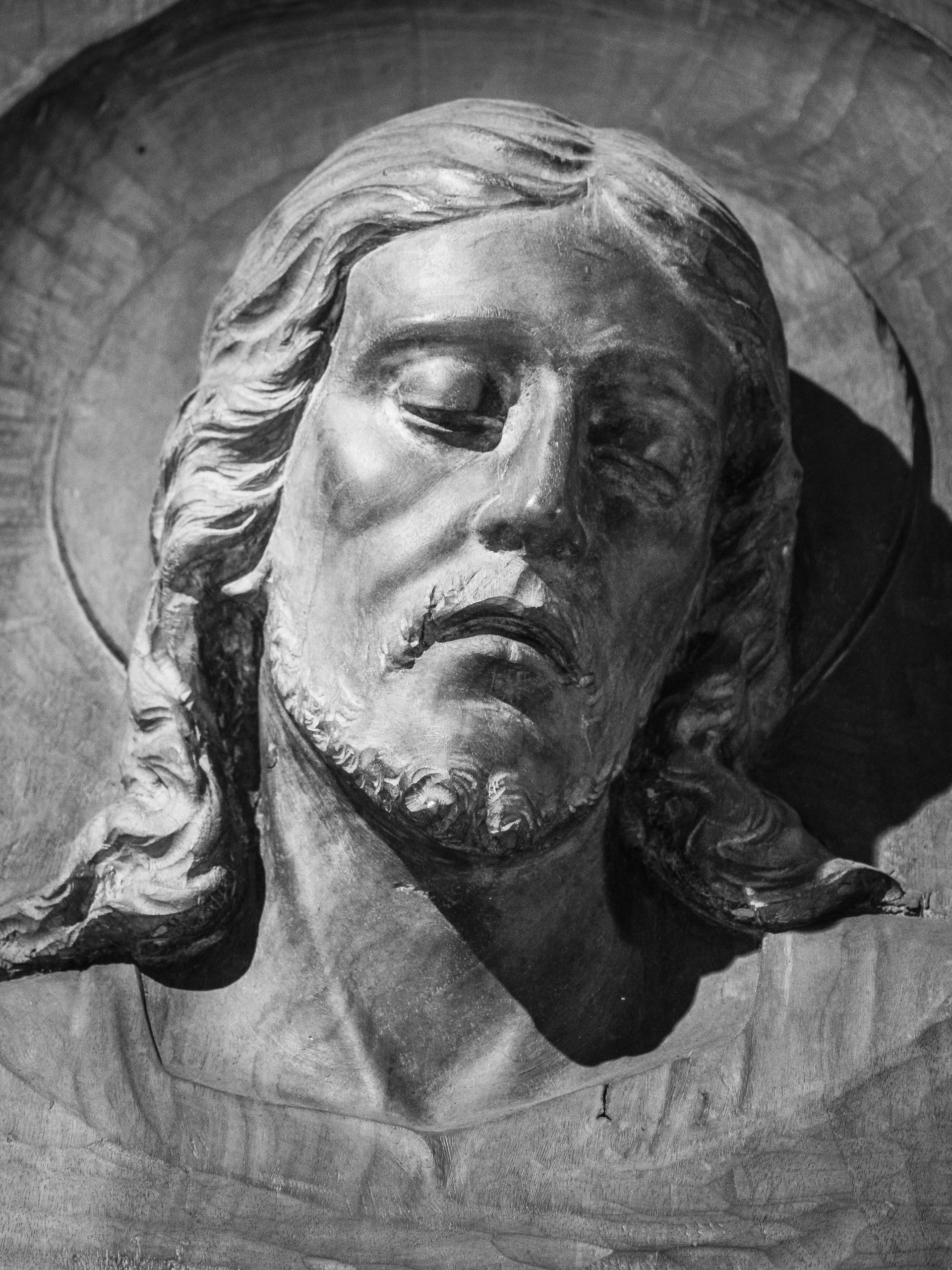
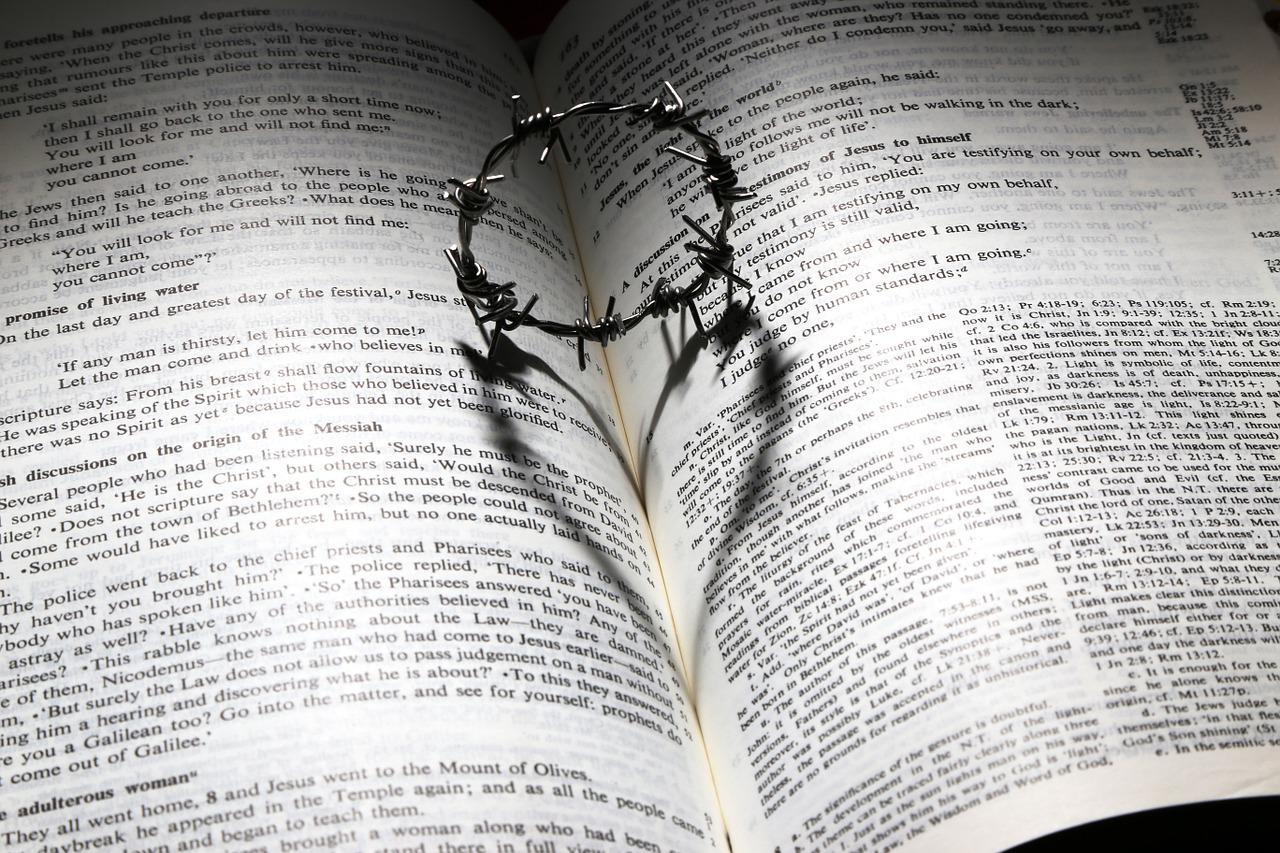
예수 그리스도의 삶이 바로 그 전형이다. 그분은 하나님의 본체이시며 모든 권세를 가지신 분이었지만, 스스로를 비워 가장 낮은 자리로 내려오셨다. 섬김을 받기보다 섬기기를 택하셨고, 끝내는 십자가의 죽음까지 감당하셨다. 세상의 눈으로 보면 이해할 수 없는 선택, 어쩌면 ‘바보 같은’ 길이었다. 그러나 그 길이야말로 하나님의 지혜였고, 인류를 향한 가장 완전한 사랑의 표현이었다.
거룩한 바보는 악을 악으로 갚지 않는다. 오히려 축복하며, 화해를 위해 먼저 손을 내민다. 원수가 배고플 때 먹을 것을 내어주는 삶, 받기보다 주기를 기뻐하는 삶이 그들의 특징이다. 세상의 계산법으로는 손해처럼 보이지만, 하나님 나라의 원리 안에서는 가장 풍성한 열매를 맺는 길이다.
이러한 삶은 결코 거창한 데서 시작되지 않는다. 교회 화장실을 기꺼이 청소하고, 식사 후 남은 설거지를 기쁨으로 감당하는 작은 실천에서 드러난다. 보이지 않는 하나님을 사랑하기에, 눈앞에 있는 사람들을 기쁨으로 섬기는 것이다.
오늘날 교회가 진정으로 회복해야 할 모습도 여기에 있다. 직분이나 직책 이전에, 거룩한 바보의 마음을 가진 사람들이 세워질 때 공동체는 건강해진다. 장로와 권사, 집사라는 이름보다 중요한 것은 그 안에 담긴 태도와 정신이다.
결국 ‘거룩한 바보’는 패배자가 아니라 하나님 나라의 역설을 살아내는 사람이다. 세상의 기준으로는 낮아 보이지만, 하나님 앞에서는 가장 높이 들림 받는 삶. 그 길을 기꺼이 선택하는 사람들이 모일 때, 교회는 비로소 그리스도의 몸으로서 온전함을 드러내게 된다.
[Holy Fools]
A few weeks ago, it was the evening after a revival meeting at a church gathered with hundreds of people. In a brief conversation with the senior pastor and his wife, something the pastor’s wife said left a deep impression on my heart. “During this revival service, the message that was most deeply engraved in me was, ‘Be a holy fool.’” Coming from someone who embodies both intellectual depth and spiritual maturity, this confession felt like one that pierced straight to the heart of the essence of faith.
We usually use the word “fool” to describe someone who is foolish or lacking wisdom—someone who, even at personal loss, cannot calculate their own advantage, someone who seems left behind by the standards of the world. But within the Christian faith, the “holy fool” carries an entirely different meaning. It is not foolishness, but an intentional choice and a decisive act of love.
The life of Jesus Christ is the perfect example of this. He is in the form of God and holds all authority, yet He emptied Himself and came down to the lowest place. He chose to serve rather than to be served, and ultimately bore even death on the cross. From the world’s perspective, it was an incomprehensible choice—perhaps even a “foolish” path. Yet that path was, in fact, the wisdom of God and the fullest expression of love toward humanity.
A holy fool does not repay evil with evil. Instead, they bless, and they take the first step toward reconciliation. A life that gives food to an enemy when they are hungry, a life that delights more in giving than receiving—this is their way of life. By the world’s standards, it looks like loss, but within the principle of the Kingdom of God, it becomes the path that bears the richest fruit.
This kind of life does not begin in grand or dramatic acts. It is revealed in small practices—willingly cleaning the church restroom, joyfully washing the dishes after a meal. Because they love the invisible God, they gladly serve the people they can see before them.
What the church today must truly recover is also found here. Before titles or positions, when people with the heart of holy fools are raised up, the community becomes healthy. More important than being elders, deacons, or leaders is the attitude and spirit within those roles.
In the end, a “holy fool” is not a loser, but one who lives out the paradox of the Kingdom of God. In the eyes of the world they may appear lowly, but before God they are lifted up the highest. When those who willingly choose this path gather together, the church finally reveals its fullness as the Body of Christ.